What exactly is Valley Crossing
problem?

As shown in the figure, 3 people
have to cross the valley which is more than 1 step long but less than 2 steps
long. Also they have to carry the rod along with them. At any time all three
people will be holding the rod. When the first person will come exactly on the
top of the valley, he will be hanging and other 2 will be holding them.
Similarly it will happen for the other two people when they will come exactly
at the top of the valley.
Analysis and steps to execute
this task:
One thing has to be realized here
is that each of the three people here have equal responsibilities and also their
roles are same. Each one of them will be exposing to the same level of risk.
Trust is the most important
factor to make this task complete. Because if people don’t have trust between themselves,
they will in fear before going for risk involved.
Steps:
1. When
the first person will take the first step, he will be half risky since one of
his feet will be in air and other on the ground, at the same time other two people
will be full safe.
2. Everybody
will take one more step at this moment, first person will be fully risky and other
two will be full safe. But since other two people will be holding the rod, with
proper communication and trust they can cross.
3. This
process will be repeated for other two persons. Every time they will be either half
risky or full risky.
Three
wise men Crossing the valley - Detailed task process
|
Persons
|
First
Person
|
Second
Person
|
Third
person
|
|
Steps
|
|||
|
1
|
Safe
|
Safe
|
Safe
|
|
2
|
Half
Risky
|
||
|
3
|
Full
Risky
|
||
|
4
|
Half
Risky
|
Half
Risky
|
|
|
5
|
Full
Risky
|
||
|
6
|
Half
Risky
|
Half
Risky
|
|
|
7
|
Full
Risky
|
||
|
8
|
Half
Risky
|
||
|
9
|
Safe
|
Safe
|
Safe
|
A. Safe - Both the legs of the
person have full support
B. Half Risky – One leg in the air and the other
leg has support
C. Full risky - Both the legs
are in the air without any support
D. Half risky –
One leg is in the air and the other leg has support
E. Safe - Both the legs have
full support
Lessons learnt from the task:
1. Responsibility:
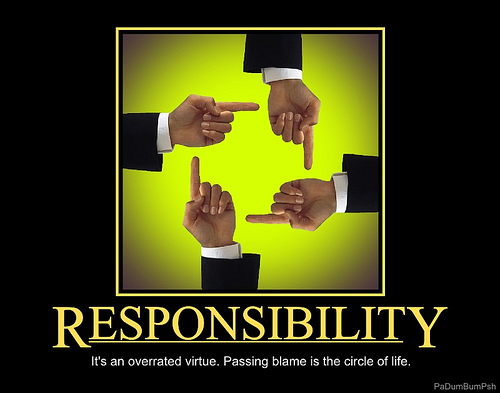
Everybody in the
organization is equally responsible, no matter if he/she is the higher manager,
manager or the engineer/ worker. Because if suppose engineer will not be able
to do his job properly then not only he will be in the risk but there is the
chance that the manager and the higher manager will be also be in the risk. And
finally the task will not be completed.
2.
Trust
\
The organization
cannot be successful if there is no element of trust in it. As in the case of
valley problem, persons can take the risk to cross the valley only since they
trust the other two. Similarly for the organization to be successful, managers
and workers have to follow the Theory X which tells the people or managers have
trust on the other people or employees.
3.
Proper
Communication:

The people will
not be able to cross the valley if there will not be any proper communication
among them. Each one has to communicate properly when they are going to take
step over the valley so that other two can plan accordingly. Similarly, in the organization there has to be
the proper communication between each and every channels of the hierarchy. Otherwise
it might have the problem in the timely completion of the project and it might affect
the quality also.
4.
Coordination:

Coordination is
the important factor in making the crossing successful as everybody have to
make sure each and every take equal width of the steps and also when the person
in entering into half risk zone of the full risk zone.
In the organization
also, the task is generally divided into the subtasks. People work on these
subtasks and finally the whole task is completed. If there is no proper
coordination among the employees, it might cause unexpected delay.
In the end
I would like to
say that no matter whatever task you have to make is successfully the most
important factors are trust, proper communication, coordination and
responsibility/


No comments:
Post a Comment